
The Arctic stands as one of the most extreme and awe-inspiring regions on Earth—a vast, frozen wilderness where survival is not just a challenge, but a daily test of endurance. Often referred to as the planet’s last frontier, the Arctic is a place where nature rules with unmatched القوة, and only the most resilient forms of life can endure its harsh conditions.
Stretching across the northernmost parts of the globe, the Arctic includes territories of countries like Canada, Russia, Norway, and United States (via Alaska), as well as the autonomous region of Greenland. At its center lies the Arctic Ocean, covered in shifting sea ice that expands and contracts with the seasons. Temperatures here can plunge far below freezing, with winter bringing months of darkness and summer offering a brief period of continuous daylight known as the midnight sun.
Despite these extreme conditions, the Arctic is far from lifeless. It is home to a unique array of wildlife specially adapted to survive in the cold. Iconic species such as the polar bear, Arctic fox, walrus, and narwhal thrive in this environment. These animals have evolved remarkable features—thick fur, layers of fat, and specialized hunting techniques—that enable them to endure freezing temperatures and scarce food resources.
Human life in the Arctic is equally remarkable. Indigenous communities such as the Inuit have lived in harmony with this environment for thousands of years. Their traditional knowledge, passed down through generations, includes survival skills, hunting practices, and cultural traditions deeply connected to the land and sea. For them, the Arctic is not just a place to live—it is a vital part of their identity.
However, life in the Arctic is becoming increasingly fragile due to the effects of climate change. Rising global temperatures are causing sea ice to melt at unprecedented rates, threatening both wildlife and human communities. The shrinking ice not only disrupts ecosystems but also opens new shipping routes and opportunities for resource exploration, bringing additional challenges and risks to the region.
The impact of climate change is perhaps most visible in the declining population of species like the polar bear, which relies on sea ice to hunt seals. As the ice disappears, these animals must travel greater distances for food, leading to increased stress and lower survival rates. Similarly, changes in temperature and ice patterns affect marine life, altering the delicate balance of the Arctic ecosystem.
Beyond environmental concerns, the Arctic is also becoming a focal point for global geopolitics. Nations bordering the region are increasingly interested in its untapped natural resources, including oil, gas, and minerals. This has led to growing competition and cooperation, as countries navigate issues of sovereignty, environmental protection, and economic opportunity. The Arctic, once isolated and untouched, is now at the center of international attention.
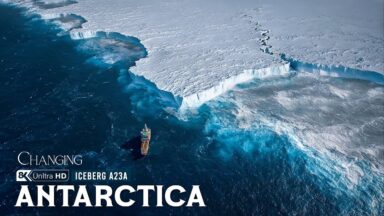
Yet, despite these challenges, the Arctic remains a place of breathtaking beauty and resilience. Towering лед glaciers, endless снежные landscapes, and shimmering auroras create a दृश्य unlike anywhere else on Earth. The region serves as a powerful reminder of the planet’s natural wonders and the delicate balance that sustains life.
For scientists, the Arctic is a critical area of study. Research conducted here provides valuable insights into global climate systems, ocean currents, and biodiversity. What happens in the Arctic does not stay in the Arctic—it has far-reaching effects on weather patterns, sea levels, and ecosystems around the world.
In conclusion, the Arctic is more than just a remote and frozen land; it is a vital part of our global environment. Its extreme conditions test the limits of life, while its changes signal broader shifts affecting the entire planet. As we look to the future, protecting the Arctic is not just about preserving a distant wilderness—it is about safeguarding the health and stability of Earth itself.
⚠️ Disclaimer
This content is for educational and informational purposes only. It aims to raise awareness about environmental and ecological topics and does not represent any specific organization or policy stance.


Recent Comments